My Journey Through Depression: Losing Myself and Finding My Way Back

A story about losing yourself, learning to ask for help, and finding your way back.
How do we know when we are depressed? At what point do we stop telling ourselves that we are simply tired, unmotivated, or bored with our routine and begin to realise that something deeper is going on?
For a long time, I didn't know how to answer those questions. In fact, I don't think I even asked myself them for years. I suppose I had always known that something wasn't quite right with me, although I could never find the words to explain it.
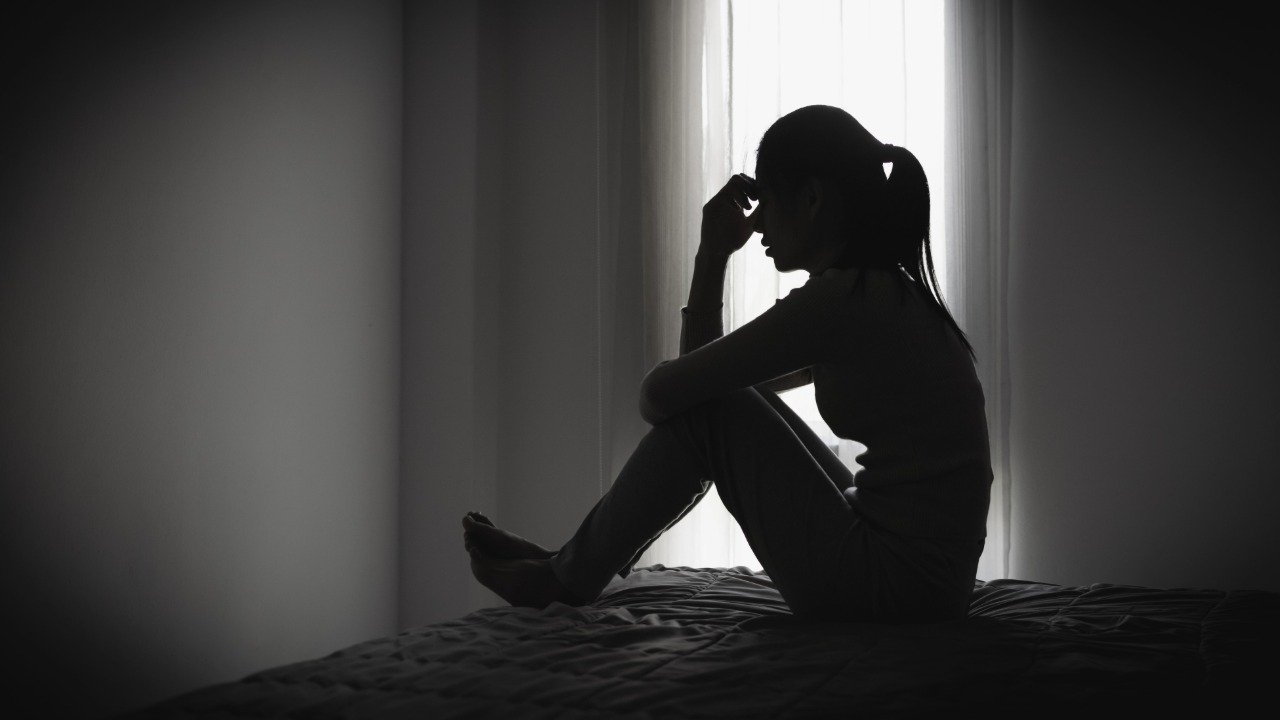
Very little excited me. Not birthdays, not presents, not getting together with my friends. Some days, all I could think about was coming home, taking off my shoes, and getting into bed. My bed was my place in the world, if I could even call it that. I loved staying underneath the covers, curled up in the cold and darkness, without having to answer questions or pretend I felt like doing anything. Sometimes I slept for hours; other times, I simply stared at the ceiling or mindlessly scrolled through my phone, barely paying attention to what was on the screen. I wasn't looking for entertainment. I just needed time to pass.
My family used to think I was lazy. They thought I needed to find something that motivated me, discover an activity I was passionate about, or learn to appreciate the little things in life. And for years, I tried to do exactly that. I took up different sports and hobbies; I tried painting, reading, writing, knitting, and even sculpting. There were periods when I became so enthusiastic about an activity that it seemed I had finally found what I had been looking for. I would finish books in less than two days, paint entire landscapes across my bedroom walls, and fill the house with little sculptures. My parents did everything they could to encourage me. They signed me up for tennis, swimming, and field hockey; they bought the supplies, books, and sports equipment I needed. For a while, each new activity seemed to work. Then, without my ever quite understanding why, I would lose interest all over again.
It wasn't that I lacked opportunities. Nor was it that I had nothing to do. Nothing simply seemed to stay with me.
That changed when I was fifteen.
I discovered volleyball, and for the first time, I felt as though I had found something that truly belonged to me. I started out as a beginner, but within a few weeks I was already playing in the starting lineup and receiving compliments from my coaches. Two months later, I had been moved up to the advanced team. I was good, genuinely good. My height worked in my favour, and my legs allowed me to jump high enough to block the opposing team's attacks. I competed in regional tournaments, won awards, received medals, and even secured sponsorships from a few sports brands.
But the best part was never the awards.
The best part was the girls on the team. The gatherings after matches, the lunches between competitions, the afternoons spent lying in the sun, resting and laughing about whatever ridiculous thing had happened on the court. We had our own chants to cheer each other on and our own little traditions, things that probably meant very little to anyone else but meant everything to us. I had found somewhere I wanted to return to. I had something to look forward to every week and people with whom I could share it.
I was happy. Or, at least, that is how I remember it.
Three years later, during a decisive match that would determine whether we qualified for the finals, I suffered an injury. I remember the jump, my attempt to block the opposing team's attack, and the exact moment I realised something had gone wrong. One of the other players had stuck her foot underneath the net, and when I landed, my ankle took the full impact. I broke it. The other player was penalised and suspended from the court for several matches, but I would be unable to play for months.
At first, I tried to remain part of the team in whatever way I could. I went to training sessions, accompanied my friends to competitions, and cheered them on from the sidelines. I also looked for something that would allow me to stay close to the sport, so I started taking photographs. I discovered I had a natural eye for it and even enjoyed it, but it wasn't the same. I didn't want to stand behind a camera capturing moments I used to be part of. I wanted to play again.
After months of rehabilitation, I never fully regained my mobility. I could no longer jump the way I used to, and every time I stepped onto the court, I was afraid of getting injured again. I began landing cautiously, second-guessing my own movements and overthinking things I had once done without a second thought. I also noticed that my coaches were gradually losing confidence in me. I tried desperately to become the player I had been before, but no matter how hard I worked, I couldn't get her back.
I remember crying after training sessions, sitting in the changing rooms, overwhelmed by a frustration I didn't know where to put. I kept trying for months until I finally left the team. I packed away my knee pads, jerseys, and trainers, pushing them to the back of my wardrobe in the hope that one day I might need them again.
But I never did.
And with volleyball, I lost something that, until then, had been one of the very few things that made me genuinely happy.
I went back to spending my afternoons in my bedroom. I went back to waiting for the moment I could climb into bed, feeling as though getting up every morning was an obligation to fulfil rather than an opportunity to begin another day.
I finished school, moved to another city, and started a degree I enjoyed, something I thought I wanted to build a career around. I arrived in a much bigger city, full of people and possibilities. From the outside