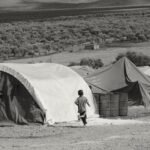
Wound of the chest by the fire that never left me
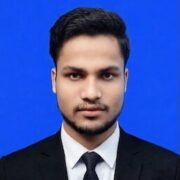
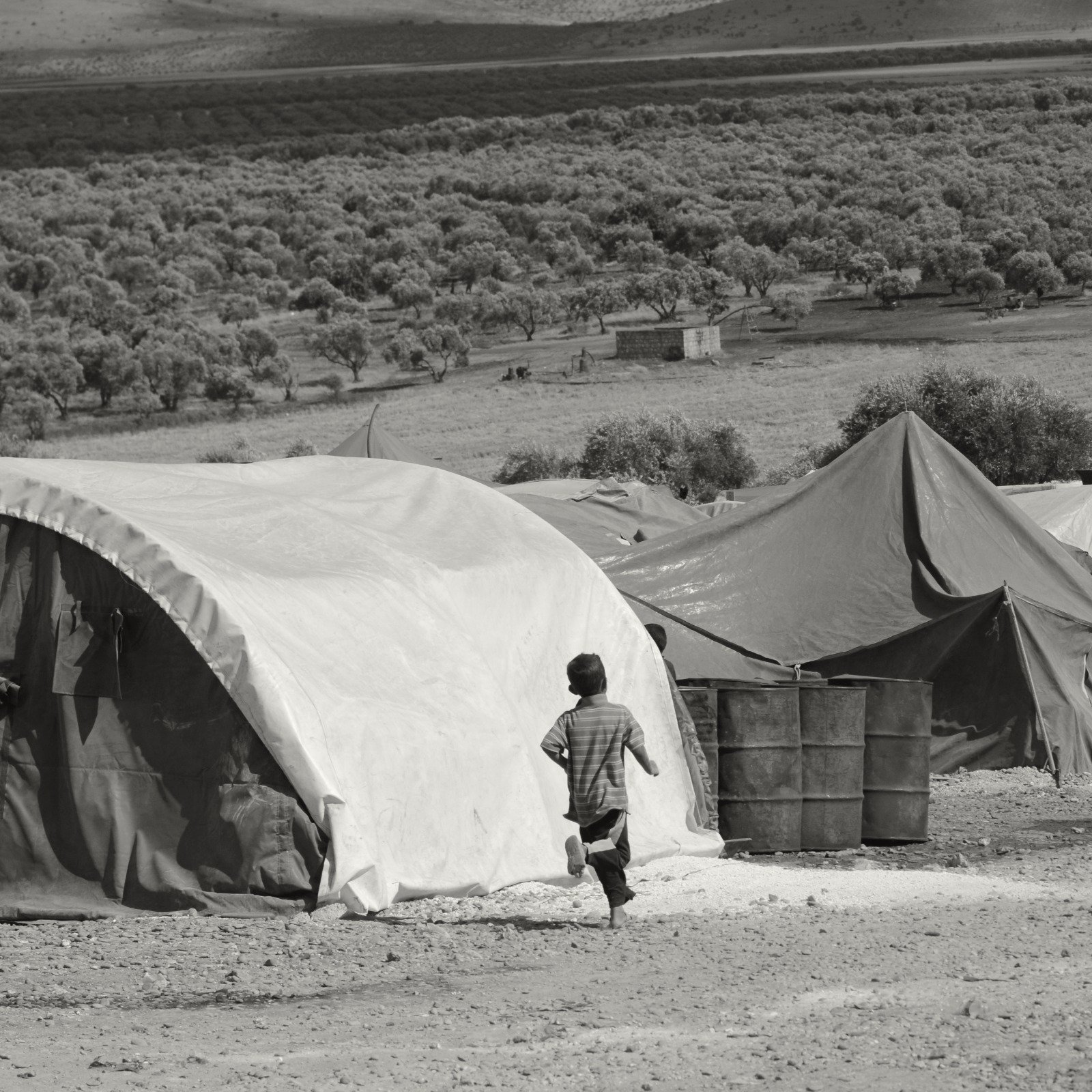
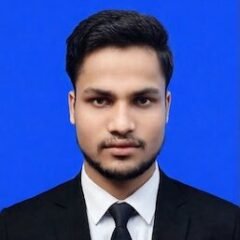
My name is Kefa Puta. I was born in 2004 in Maung Daw Township, Rakhine State, Myanmar. My life has been shaped by many difficulties, but one experience changed me forever. In 2012, when I was still a child, I suffered a serious burn injury to the left side of my chest while escaping a fire. Since then, I have often felt that I have been given life twice: once when I was born and again when I survived that terrible night.
The scar on my chest is more than a physical wound. It reminds me of the pain I experienced as a child, the fear my family endured, and the suffering of the Rohingya people. Although I was too young to understand everything happening around me, I experienced the consequences of persecution in a way that no child should ever have to experience. I grew up in a poor family where love was abundant, even when money was not. I am the third son in my family and the sixth family member. My parents did not have many opportunities in life but they always wanted something better for their children. They hoped that we would have access to education, live with dignity and build a future that was different from their own.
When I was five years old, in 2009, my parents enrolled me in a local school. They understood that education could open doors that had remained closed to them. Even though paying for school materials and meeting our daily needs was difficult, they continued trying to support my education. Our family needed to earn money to survive. My parents started a small business selling household goods. My father and I travelled to nearby villages carrying items such as dishes, pots, pans and other everyday necessities. I was still a young boy but I helped my father sell these goods because I wanted to support my family. Those days taught me about responsibility, hardship and the sacrifices parents make for their children. Between 2009 and 2012, this was part of my everyday life. I attended school while also helping my father whenever I could. At that age, I did not know how much more difficult life would become. I only knew that my family was struggling and that I wanted to help.
In 2012, an ordinary journey for business became the beginning of one of the most painful experiences of my life. My father and I travelled to Maungdaw town to purchase goods for our small business. The journey from our village was more than 26 miles and took approximately four hours by bus. Because of travel restrictions, military checkpoints, and difficulties faced by Rohingya people, we could not complete the journey and return home on the same day. We had to stay overnight in a village near Maungdaw. At that time, being Rohingya in Myanmar meant living with uncertainty and fear. We were not recognized as citizens, and the authorities referred to us as “Bengali,” denying our identity and portraying us as foreigners. These restrictions affected almost every part of our lives. Our freedom of movement was limited, access to education and healthcare was difficult and our ability to live safely in our own communities was constantly threatened.
People around us experienced arrests, extortion, physical abuse, and other forms of violence. Families feared for the safety of their children. Women and girls faced sexual violence and many people lost their homes and livelihoods. Land that Rohingya families had depended on for generations was also taken away from them. As a child, I could not fully understand the political situation, but I could see how frightened people were. I could feel the uncertainty in the lives of adults who were trying to protect their families. I also understood that being born into a Rohingya family meant facing difficulties that other children might never know. The situation became increasingly dangerous during 2011 and 2012. Our community was desperate for protection from violence. I remember hearing about the formation of a Community Protection Group intended to defend people in the community. The situation surrounding this group and the military response became part of the wider conflict and violence affecting the area. Following an attack on a military base in Maungdaw, the situation grew even more frightening. Reports of violence spread and people feared that the military would retaliate against ordinary villagers.
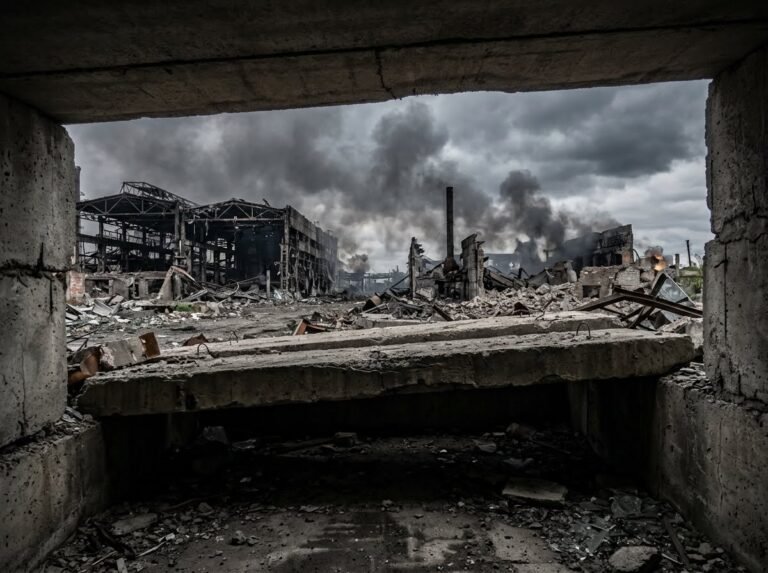
Soon, the fear we had been living with became a reality. Villages were attacked, homes were set on fire and families were forced to flee. People were killed, and women and children faced terrible dangers. The violence destroyed the sense of safety that families like mine had tried so hard to preserve. My father and I were still away from home because roadblocks and travel restrictions had prevented us from returning. We were staying in a small village outside Maungdaw when we heard that nearby villages were being burned. We were frightened and uncertain about what would happen to us. We hoped that the violence would not reach the place where we were staying. But it did.
During the following night, soldiers arrived in the village and began setting houses on fire. People were ordered to come outside and those who resisted faced gunfire. The fire spread, and the village became a place of terror. My father and I were asleep when the house where we were staying caught fire. My father woke up and tried to wake me, but at first I did not hear him. By the time I became fully aware of what was happening, the flames had already surrounded us. My father shouted at me to run. I was only a child. I could see the fire around me but I did not know how to escape safely. I tried to jump through the flames because I
wanted to survive. Unfortunately, I could not get far
enough and I fell into the fire. The flames badly
burned the left side of my chest. The injury was so
severe that the deeper tissues were exposed. I was in
unbearable pain and could hardly understand what had
happened to me. My father rushed to rescue me and
carried me away from the burning house. He had
managed to save my life, but he could not protect me from the terrible injury I had suffered. My parents later told me how painful it was for them to see me In that condition. My father had rescued me from the flames, while my mother had escaped from another village and come looking for us. When she saw my injury, she was terrified. Both of my parents were deeply distressed by my suffering. We wanted to take me to a hospital but my family believed that injured Rohingya people could not receive proper treatment there because of the restrictions imposed by the military. We eventually went to a small pharmacy, where a local doctor examined me. The doctor was worried that I might not survive. Nevertheless, he tried to help me with the limited medicines and medical supplies available to him. He applied medicine to my wound and gave me injections. My recovery was slow and painful and it took more than a year for me to recover from the injury.
Even after my condition improved, the doctor warned my parents that the wound might cause health problems in the future. He advised them to seek hospital treatment if it became serious again. I survived that experience and I believe that Allah gave me another chance at life. However, surviving did not mean that the experience was over. The injury became part of my life and the memory of that night remained with me. For several years, my family tried to rebuild our lives. We wanted to live peacefully and continue our education and daily activities. But the security situation continued to deteriorate and in 2017, another devastating period began for the Rohingya people. Military operations and widespread violence destroyed homes and communities across Rakhine State. Many Rohingya families were forced to abandon everything they had. People fled to save their lives, leaving behind their houses, land, belongings and memories. My family was among those forced to leave Myanmar. We eventually reached the refugee camps in Cox’s Bazar, Bangladesh. We arrived with painful memories and uncertain futures but we were alive. Leaving our home was not a choice we wanted to make. We left because we needed safety and hoped that we could rebuild our lives somewhere free from the violence we had experienced.
Life in the refugee camps has brought new challenges but it has also given me opportunities that I continue to value. Through support from humanitarian organizations, I was able to continue my education. I studied the Myanmar curriculum at the secondary level and I have now passed Grade 12 under the Examination Board of Rohingya Refugees. Education has become one of the most important parts of my life. It gives me a reason to keep moving forward, even when my circumstances are difficult. I believe that learning can help me build a better future and allow me to contribute positively to my community. However, while I have continued pursuing my education, the old wound on my chest has started causing problems again. Recently, I began experiencing intense pain and heat around my chest, stiffness in my body and other symptoms that have made me concerned about my health. I visited a hospital run by Médecins Sans Frontières, also known as MSF, in the refugee camp. The medical staff examined me and asked about my previous injury and
the treatment I had received in Myanmar. I explained
my medical history as clearly as I could, including the
medicines that had been applied to the wound when
I was a child. The doctors provided treatment but the
medicine did not seem to bring the improvement I had
hoped for. My skin is now very dry, and I am worried because the injury is old and the area was severely damaged when I was young. I am grateful to the medical staff who have tried to help me. However, I remain concerned about what might happen if my condition continues without appropriate medical assessment and long-term care.
Living with this injury has made me think deeply about my future. I do not want my life to be defined only by suffering. I want to study, develop my abilities and become a person who can make a meaningful contribution to society. At the same time, I know that I need appropriate medical attention to protect my health and give myself a better chance of achieving these goals. My dream is to continue my education at university, particularly in a field where I can develop practical knowledge and skills. I want to gain an education that will allow me to support myself, help my family and contribute to the Rohingya community. I also hope that one day I will be able to help other young people who have experienced displacement, poverty and barriers to education. I know that these dreams may be difficult to achieve as a Rohingya refugee living in Bangladesh. Financial difficulties, limited educational opportunities and my health concerns create serious obstacles. Nevertheless, I do not want to give up. The fact that I survived such a painful experience as a child gives me a reason to continue hoping for a better future. This is why I am reaching out to the international community, educational institutions, humanitarian organizations, refugee-support programs and compassionate individuals who may be able to help.
I am asking for an opportunity to continue my higher education and receive appropriate medical care. If I could access a suitable educational opportunity abroad, with adequate financial support and access to specialist medical assessment and treatment, I would have a better chance of improving my health and pursuing my academic goals. I am not asking for sympathy alone. I am asking for an opportunity to learn, recover and build a future in which I can contribute to others. I want people to see me not only as a Rohingya refugee who survived a fire but also as a young person with ambitions, abilities and a strong desire to make a difference. The scar on my chest will always remind me of the night that nearly took my life. But I hope it will also remind me of the strength that helped me survive and the opportunities that may still lie ahead. My past has been marked by pain, but I do not want pain to determine my future. I want my life to become a story of education, recovery, service and hope. I survived the fire when I was a child. Now, I am trying to overcome the challenges that remain so that I can live with dignity, continue my education, and help others whenever I have the opportunity. I sincerely hope that someone, somewhere, will hear my story and help me take the next step toward a healthier and more hopeful future.