Poetry
Overcoming the Colonial Mindset: Pathways to Cultural Decolonization and True Freedom
Learn how societies can overcome the colonial mindset through cultural, psychological, and political decolonization. Explore steps to reclaim indigenous identity, reform education, empower local governance, and build a self-reliant, inclusive, and culturally sovereign future in the age of globalization.
Coming out of a colonial mindset involves psychological/cultural/political decolonization
Learn lessons from the historical injustices to build a culturally sovereign future globalization
Reclaim indigenous identities, local knowledge, languages, and develop systemic equalities
Make a concerted effort to restore/celebrate the good aspects of cultural heritage qualities

Overcome the feelings of an inferiority complex internalized by prolonged colonial rule
Individuals and societies must support local arts and literature, challenging colonial schools
Decolonizing education via curriculum reform is a vital step toward intellectual liberation
Encourage valuable and valid traditional medicine, philosophy, and environmental education

Engage in introspection to identify/unlearn the ingrained prejudices/biases of colonial culture
Address the collective psychological wounds left by colonialism via therapeutic infrastructure
Actively question knowledge and identity, especially in academic and professional situations
Adapt structural changes to address the power imbalances to avoid the cycle of exploitation

Promote a balanced/equitable world order by advocating for local interests in global forums
Reform bureaucratic and legal systems to serve citizens rather than being oppressive horrors
Encourage multiculturalism, inclusivity, unity in diversity, and empower marginalized voices
Analyse the impacts of colonialism and adopt a multifaceted democratization process choice

Overcoming the colonial mindset is vital to achieve true self-determination and real freedom
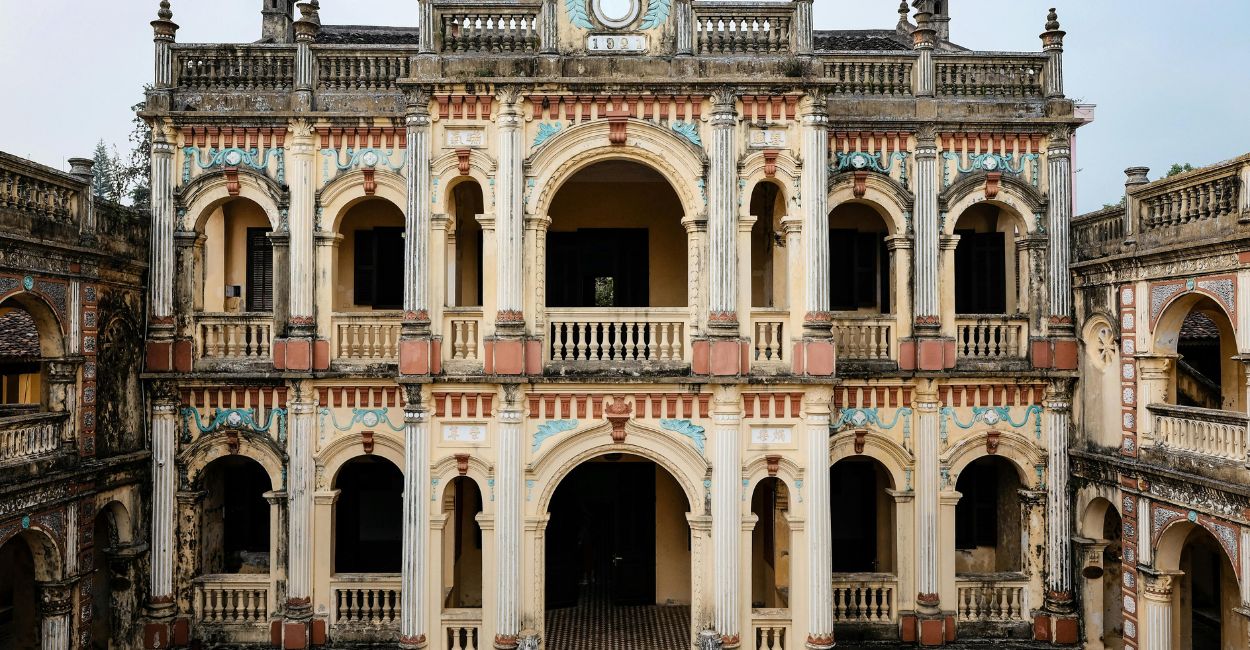
Reclaiming identity/culture helps a society reconnect with its roots/take pride in its museum
Healing psychological damage is essential to retain identity and nurture local talents/interests
Building strong, independent, transparent, and accountable institutions to serve commitments

Decentralizing power by local governance fosters people’s participation in administration
Achieving economic self-sufficiency/boosting local industry helps minimize discrimination
Fostering inclusive social progress/justice, overcoming divisions required to build relations
Promoting indigenous languages/diversifying curricula for cultural and intellectual liberation
◆ ◆ ◆
Further Reading