
Exclusive interview with Anthony Nayagan

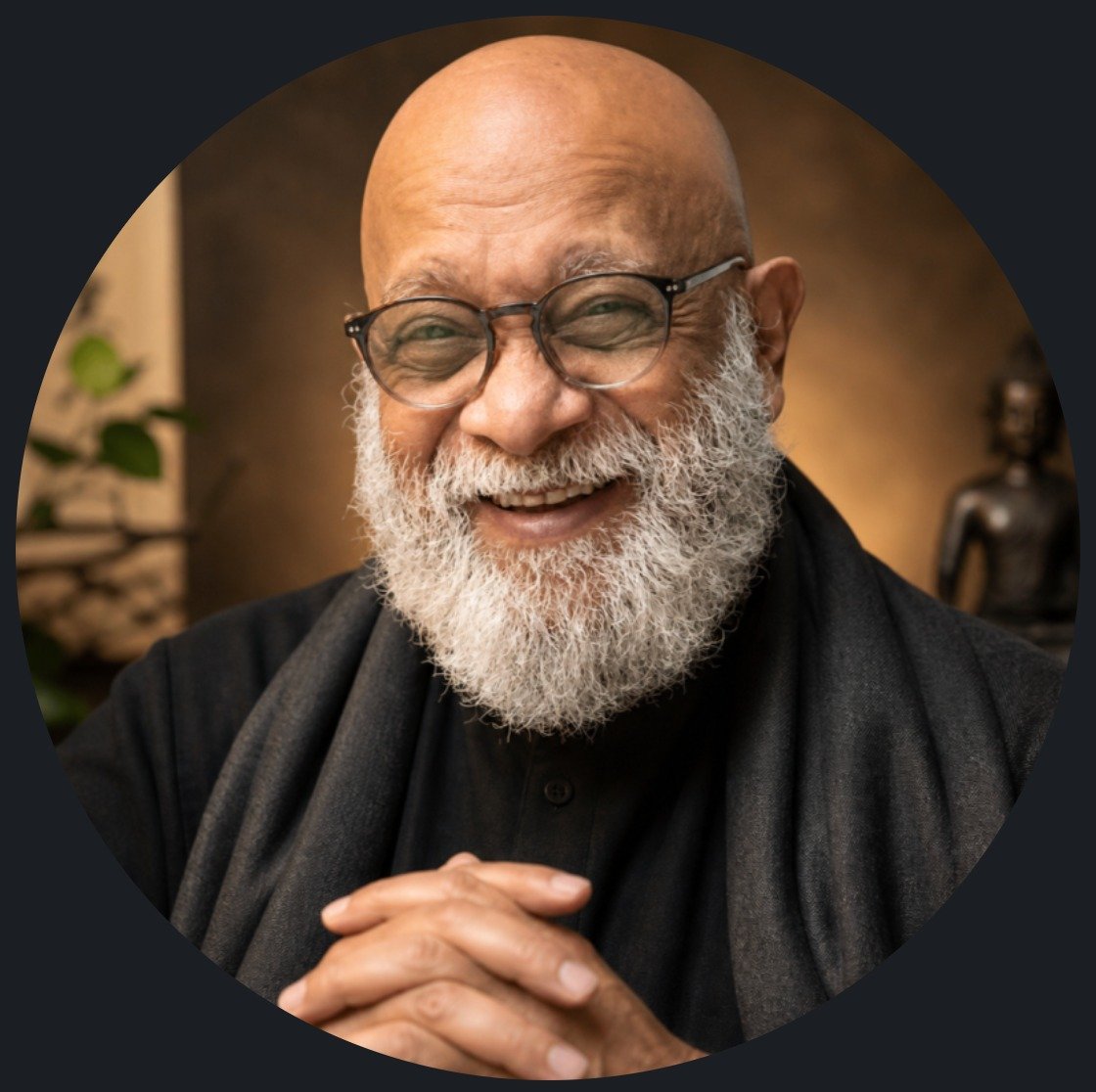
We are very proud to publish an exclusive interview today with Anthony Nayagan, author of the global bestseller
THE UNIVERSITY THAT CHANGES THE FUTURE:
Building Campus Ecosystems for Transformative Innovation
1. What is “Internal Intelligence”?
Internal Intelligence is the intelligence we relied upon in early childhood.
Before data, formal instruction or mindful synthesis, we learned to observe, walk, speak, relate, imagine and adapt. We learned through direct perception, experimentation and discovery.
Instinct protects. Imagination creates images. Mindfulness observes. Internal Intelligence discovers what is possible and learns how to manifest it.
External Intelligence informs us. Internal Intelligence transforms us.
2. Where is the evidence that spiritual insight produces better decisions?
Childhood itself provides the first evidence. A child learns astonishingly complex skills before mastering formal analysis.
Adults do not lose this intelligence. We bury it beneath conditioning, fear, accumulated knowledge and the demand for certainty.
Stillness helps recover direct perception. Its value must then be tested through decisions, consequences and measurable outcomes. If reality contradicts the insight, reality wins.
3. What is fundamentally wrong with the university system?
Universities possess extraordinary ingredients: courageous young minds, research, knowledge, technology, laboratories and intellectual talent.
Students still retain more of the curiosity, imagination and risk tolerance natural to childhood. They are often prepared to explore bold ideas that established institutions dismiss.
The problem is fragmentation. Universities develop External Intelligence exceptionally well but rarely cultivate Internal Intelligence or connect it with industry, capital, technology and government.
Ingredients alone do not make a meal.
4. What would you change on Monday morning?
I would select one serious problem and invite students to approach it with the curiosity of children—not the ignorance of children, but their freedom to question assumptions.
A small Transformational Ecosystem Council would connect their strongest ideas with faculty knowledge, technology, industry, capital and government.
Students provide audacity. Faculty provide depth. External partners provide resources. One accountable leader connects them.
5. Why would competing institutions cooperate?
Because each possesses something the others lack.
Students contribute unconstrained perception. Universities contribute knowledge. Corporations provide application. Investors provide capital. Governments provide policy and infrastructure.
External Intelligence identifies their separate interests. Internal Intelligence reveals what they could create together.
Collaboration begins when the shared possibility becomes greater than the territory each institution protects.
6. What should the West learn from China?
China demonstrated the power of connecting research, policy, manufacturing, capital, infrastructure and markets around long-term objectives.
The West should learn coordination, but reject repression, excessive centralization and the sacrifice of individual freedom.
Its greater advantage may be the independent imagination of its young people. The West must connect that audacity with the power to implement it.
7. What can your model offer the Netherlands?
The Netherlands already understands institutional cooperation.
My model adds a neglected dimension: cultivating the Internal Intelligence that precedes analysis and encouraging the childlike freedom to question what accomplished adults consider settled.
The Dutch system may possess the structure. The question is whether that structure merely improves existing models or permits young minds to create entirely new ones.
8. How can leaders distinguish transformation from optimization?
Optimization uses existing knowledge to improve what already exists. Transformation begins by perceiving what does not yet exist.
Grand language proves nothing. Structural change is the evidence.
9. Why should a CEO trust a mystic?
A CEO should not trust me merely because I am a mystic.
My work helps leaders recover an intelligence they already possessed before education taught them to depend almost entirely on external knowledge.
I do not replace evidence, expertise or due diligence. I help uncover assumptions and possibilities they may overlook.
I read the terrain. The CEO takes the shot and remains responsible for it.
10. What part of your argument are you least certain about?
I am least certain whether large institutions can recover childlike curiosity without reducing it to another managed corporate exercise.
I am also uncertain whether they can protect bold student ideas from bureaucracy and premature demands for proof.
If serious implementations show that cultivating Internal Intelligence produces no better ideas, decisions or outcomes, I will revise my position. Reality has the final word
11. Why should we take your work seriously?
Because every accomplished adult once possessed the capacity to learn, experiment and transform without first demanding data, permission or certainty.
That intelligence has not disappeared. It has been neglected.
Universities already possess bold young minds, knowledge, technology and research. My work asks what becomes possible when childhood intelligence is consciously recovered and connected with the resources required to manifest its discoveries.