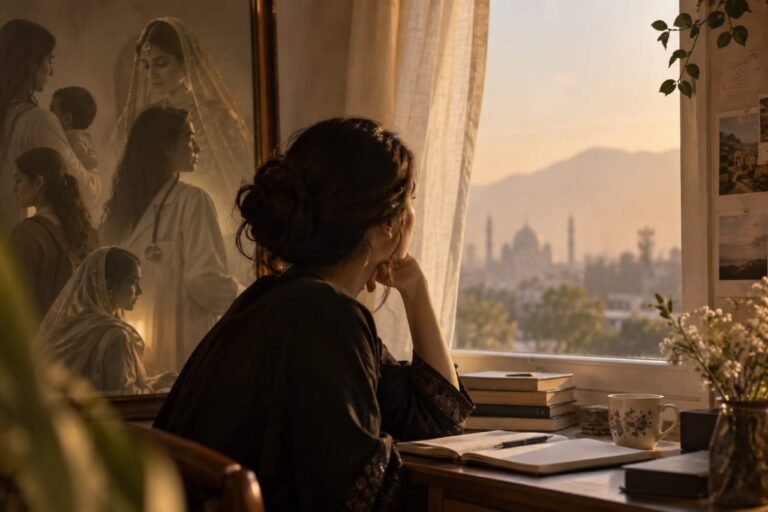
Rain, Gardens, and Memory: Reading Shirley Lim in a Changing Malaysia

When we talk about the environment in Malaysia, we usually think about floods, haze, climate change, rubbish and deforestation. These are serious issues, and they need scientific, political, and social attention.
But literature can also help us think about the environment.
A poem or a story cannot measure air pollution or tell us how many trees have been cut down. But literature can show us how people remember a place, how they feel when a landscape changes, and how nature becomes part of identity.
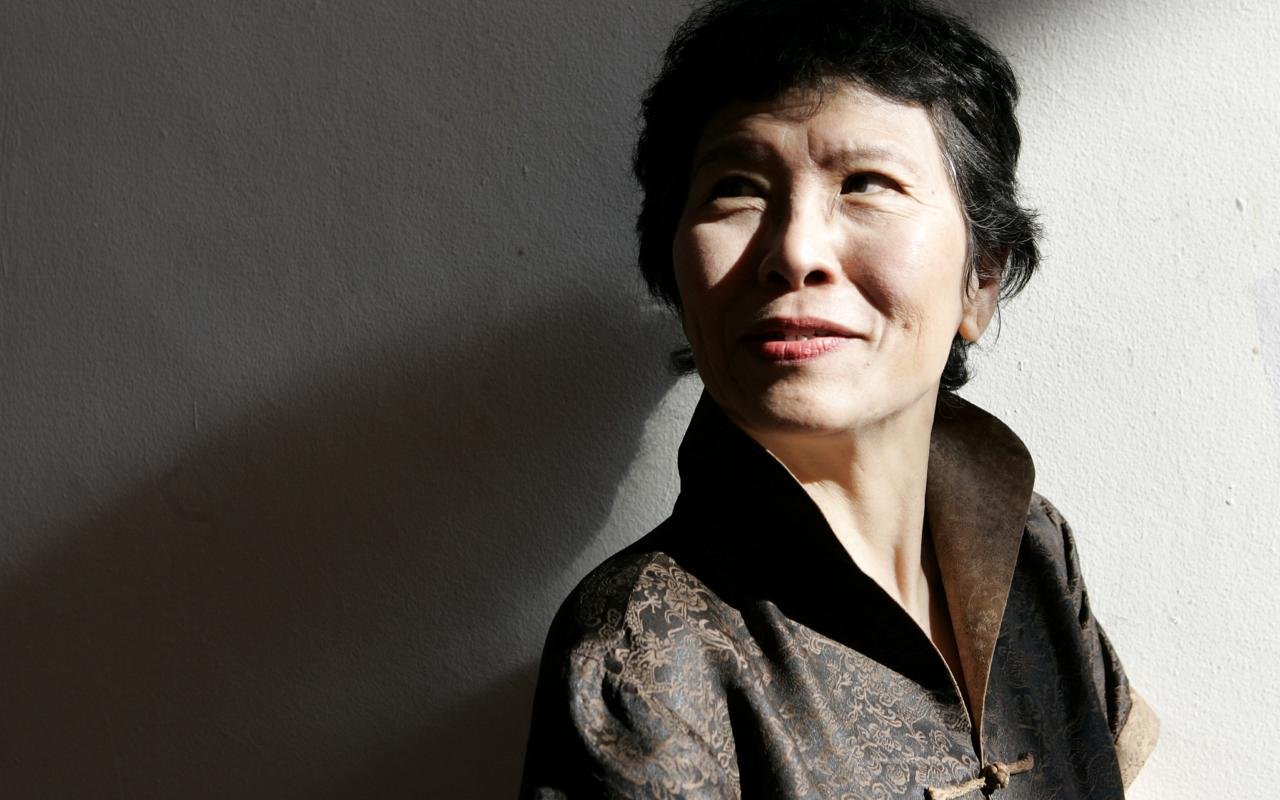
This is why the writing of Shirley Geok-lin Lim is worth reading again today.
Lim is well known for writing about identity, migration, family, and belonging. But in her work, place is also very important. Malaysia appears not only as a country but also as memory. It comes back through rain, gardens, weather, houses, and familiar landscapes.
Her collection Monsoon History: Selected Poems is a good example.
For Malaysians, the word "monsoon" is very familiar. We know the heavy rain, dark clouds, wet roads and sudden storms. We also know how weather can become part of childhood memory.
Many of us may remember waiting for the rain to stop before going home from school. We may remember the smell of wet soil, water rising beside the road, or sitting near a window while the rain became heavier.
These are simple memories, but they stay with us.
In Lim's writing, the natural environment is often connected with this kind of memory. Rain is not only rain. A garden is not only a garden. A place becomes meaningful because of what happened there and because of the people connected to it.
This is important in Malaysia today because the country has changed a lot.
Many places that were once quiet are now developed. Old houses disappear. Small gardens are replaced by concrete. Roads are widened. Hills are cleared. Towns become cities.
Development is necessary, of course.
People need houses, schools, hospitals, roads and jobs.
But development also changes the way we remember places.
Sometimes we only realise this after something is gone.
A tree that once stood outside a family house may disappear. A small field where children used to play may become a commercial area. A garden may be removed when a house is renovated.
These changes may look small, but they can be important.
This is where literature helps.
Literature can preserve places in memory even when the physical place has changed.
Lim's poem "Domestic Garden" is interesting for this reason.
A garden may seem ordinary. It is not a rainforest, a mountain or a national park. But the environment also includes the smaller spaces around us.
It is the tree outside the house.
It is the neighbourhood field.
It is the old drain that always overflows during heavy rain.
It is the flowers planted by our parents or grandparents.
It is the sound of insects at night.
These small things are also part of our relationship with the environment.
Lim's writing becomes even more interesting because she writes about Malaysia from another country. She was born in Malacca and later lived and worked in the United States.
Because of this, Malaysia often returns in her writing through memory.
This experience is not unusual.
Many Malaysians who live overseas remember home through very small details.
Food is one.
Weather is another.
Rain can remind someone of home. The smell of the soil after a storm can bring back childhood. A certain tree or flower can suddenly remind a person of a place many years ago.
Memory often works like this.
It does not always return through big events.
Sometimes it returns through weather, sound or smell.
This is one reason why literature can also be useful in environmental education.
Students usually learn about climate change, pollution and environmental damage through science and geography. This is important and should continue.
But literature asks different questions.
What does it feel like when a familiar place disappears?
What happens when the landscape of childhood is no longer there?
Why do we remember some places for many years?
What happens to our sense of home when the physical environment changes?
These questions do not have one simple answer.
But they encourage us to think more carefully about the environment.
Environmental issues are often presented through numbers. We hear about rainfall levels, temperature changes, forest loss and air quality.
We need these numbers.
But people do not live through numbers alone.
We live through experience.
We remember where we grew up.
We remember the streets, gardens and trees around us.
We remember the sound of rain.
In this sense, literature gives us another kind of environmental record.
It records feeling.
It records attachment.
It records what a place meant before it changed.
This does not mean that Shirley Lim should suddenly be described only as an environmental writer. Her work is much wider than that.
But reading her today allows us to see something important.
The environment is not always far away.
It is not only about forests, oceans or climate conferences.
It is also about home.
It is about the places we pass every day.
It is about memory.
Malaysia will continue to grow and develop. This is unavoidable.
But as the country changes, perhaps literature can remind us to pay attention to what is being lost as well as what is being built.
Scientific reports can tell us how much the environment has changed.
Literature can tell us what those changes mean to people.
Both are important.
And perhaps, when we read Shirley Lim, we are not only reading about rain or gardens.
We are also reading about the Malaysia that stays with us after the place itself has changed.
Additional authors
The assistant authors, including Ms. Maslinda Md. Yusof is a lecturer at Universiti Tenaga Nasional (UNITEN), Malaysia. Dr. Ahmad Zufrie Abd Rahman is an examination officer at the Malaysian Examinations Council.